Trio convicted of crime they didn't commit get second chance after 36 years in prison

Kalia Richardson , USA TODAYSat, November 21, 2026 at 3:01 PM UTC
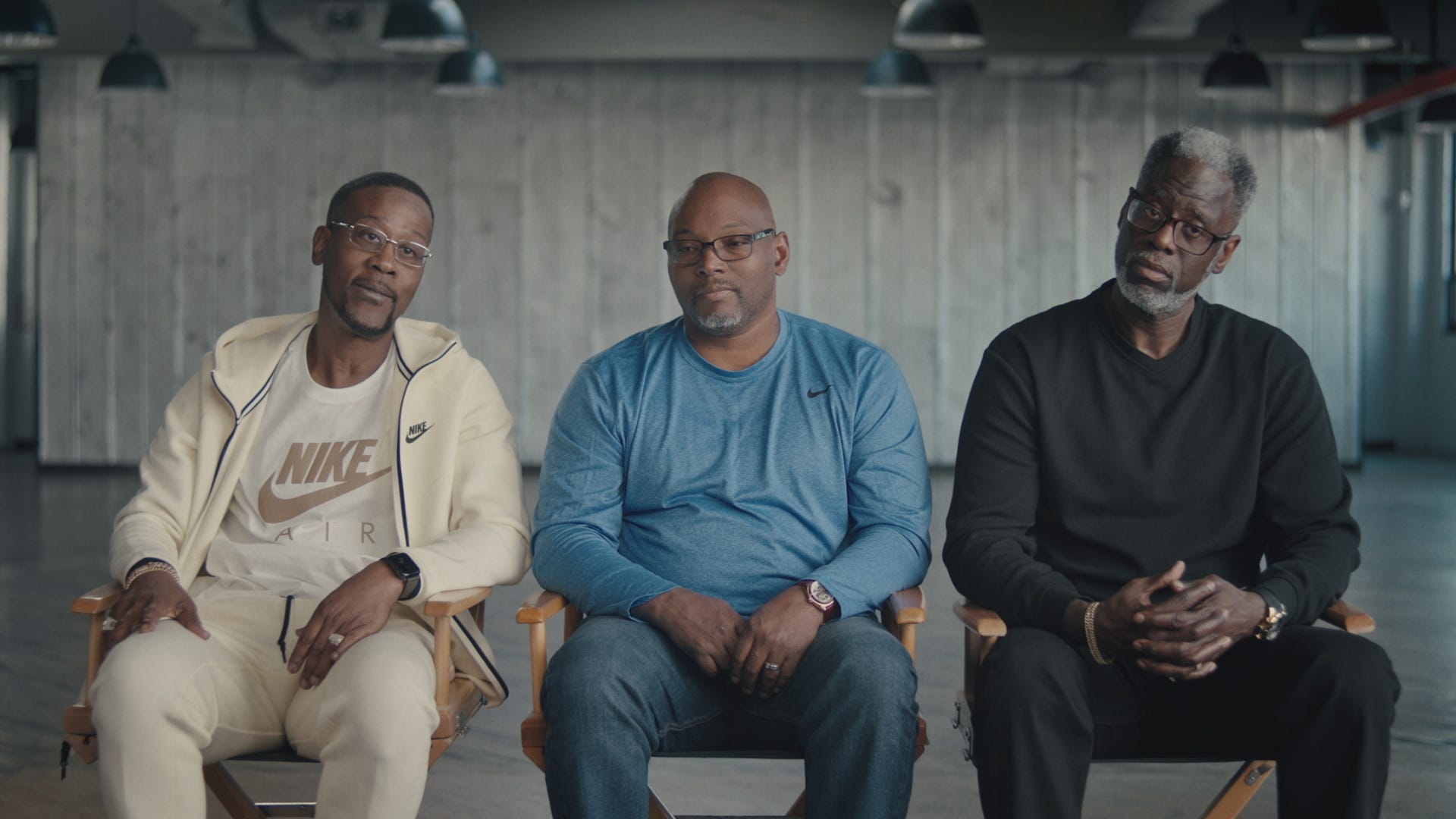
For Alfred Chestnut, Ransom Watkins, and Andrew Stewart, three men who were wrongfully convicted of a Nov. 18, 1983 murder, the holidays hold special significance.
Years before the men each spent more than three decades and dozens of holidays behind bars, they were teenagers attending a West Baltimore high school. Like other kids their age, they watched cartoons, looked forward to Thanksgiving feasts and grinned at the sight of Christmas lights.
The men, who became known as the Harlem Park Three, would soon lose grip of their childhood after news that DeWitt Duckett, a 14-year-old Harlem Park Junior High School student, was shot and killed over his satin "Georgetown" starter jacket.
Duckett's murder rattled the neighborhood. Eager to make an arrest, then-Baltimore Police detective Donald Kincaid spoke to students, including primary witness Ron Bishop, and considered Chestnut, Watkins, and Stewart as potential suspects in a photo array.
Bishop and Eddie Capers, who were with Duckett on that fateful day, claimed the killer acted alone, but Kincaid relied on the testimony of another student who alleged the murder was committed by three other teens.
Kincaid ultimately coerced Bishop and Capers to change their narrative, and on Thanksgiving Day in 1983, police arrested Chestnut, Watkins and Stewart, charging the three teens with first-degree murder. Despite their age, they were charged as adults, and on July 10, 1984, sentenced to life in prison.
"When a Witness Recants," an HBO Max documentary (streaming now) based on Jennifer Gonnerman’s 2021 New Yorker article, magnifies the stories of three men as they pledged to maintain their innocence behind bars and eventually were exonerated on Nov. 25, 2019, three days before Thanksgiving. The nearly two-hour documentary, directed by Dawn Porter and executive produced by Ta-Nehisi Coates, features emotional testimony from the men, archival audio and video, and a sit-down conversation with primary witness Bishop.
"This story was really one of the most egregious cases I'd ever read. I thought I'd really been immersed in these stories for a while," Porter tells USA TODAY, referencing her 2024 criminal justice docuseries, "The Sing Sing Chronicles." "And then I read this article, and a couple of things struck me. One is that it's a great illustration of where the system falls apart."
For Stewart, Watkins and Chestnut, Thanksgiving has marked many milestones in their lives, from their arrest to their exoneration. But after spending 36 years each in prison, the men are now learning to appreciate the sacred holiday.
"It ain't a story of tragedy," Stewart, 59, tells USA TODAY. "It's a story of redemption. It's a story of hope. It's a story of grace. It's a story of happiness. It's a story of love. It's a restoration story."
Chestnut, 59, says he never celebrated the holidays while he was incarcerated, and Watkins, 59, skipped every Thanksgiving meal. To them, there was little to celebrate.
"It put a sour taste in my mouth," Watkins tells USA TODAY. "This is the day I came to prison. What am I happy about right now?"
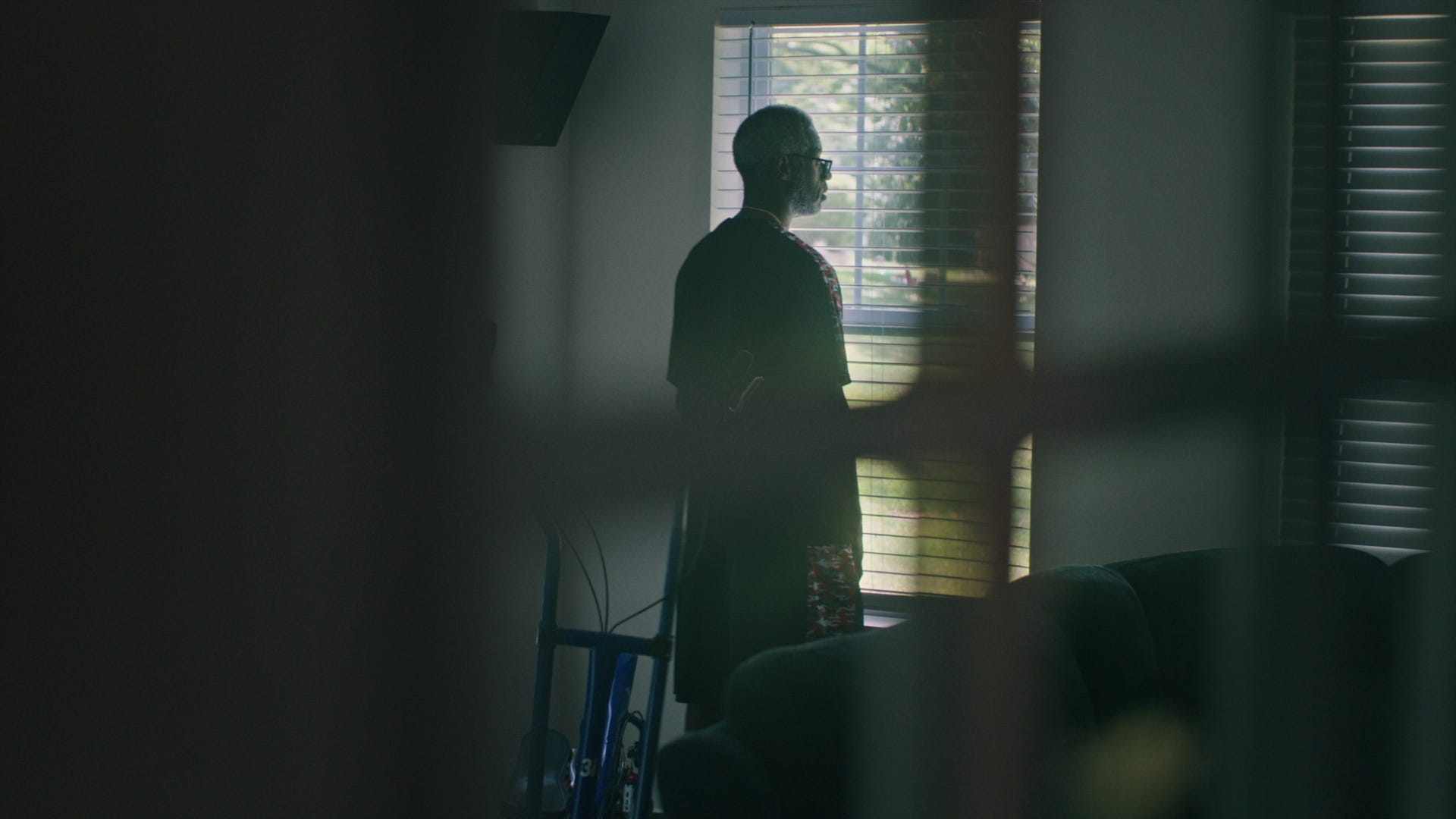
Stewart, 59, and Watkins recalled feeling like "jail bait" as he entered the yard, and witnessed other incarcerated men get sexually assaulted and participate in knife fights. The three men spent about eight years together at the Maryland Penitentiary, before they were relocated to different prisons. And because they vowed to keep their innocence plea, they were unable to qualify for parole. Despite the distance between them, Stewart, Watkins and Chestnut vowed to have each other's back.
"Without them, I had no rock," Watkins says. "I had nobody. So could I have made it with what we went through at that time? Now, honestly, I don't think so. You think that you're strong enough to handle a lot of things in life, but one thing prison walls would tell you: you [were] no match for that prison wall without having that support system."
Chestnut stayed motivated by working on his case and sent countless letters to the police department, but was denied each time. Then, in 2019 he wrote to Marilyn Mosby, the then-Baltimore State Attorney, who sent his letter to Lauren Lipscomb, the head of the state's new Conviction Integrity Unit. Once they spoke with other witnesses in the case, they determined they were coached and coerced into giving false statements. By Nov. 25, 2019, Stewart, Watkins and Chestnut were free.
After their exoneration, the Harlem Park Three filed a civil lawsuit against the Baltimore Police Department alleging they pressured young witnesses to lie, ignored physical evidence that pointed to potential killer Michael Willis and fabricated a narrative against the teenagers. In 2023, they reached a $48 million settlement.
Willis was fatally shot in 2002. Kincaid, the Baltimore police detective who spearheaded the case, did not respond to requests for an interview in the documentary. In a deposition video featured in the documentary, Kincaid said he would not have conducted the investigation differently.
For the last six years as exonerated men, Chestnut, Watkins and Stewart have learned to abandon their boyish tendencies and acclimate to the real world. Chestnut, who admits he's getting better at driving after three accidents, spends nights stargazing on his deck. Watkins, who is still getting a grasp on balancing his checkbook and filing taxes, finds pleasure in mowing his lawn and landscaping. And Stewart admits he's still learning to trust and has become selective about the people he allows in his circle.
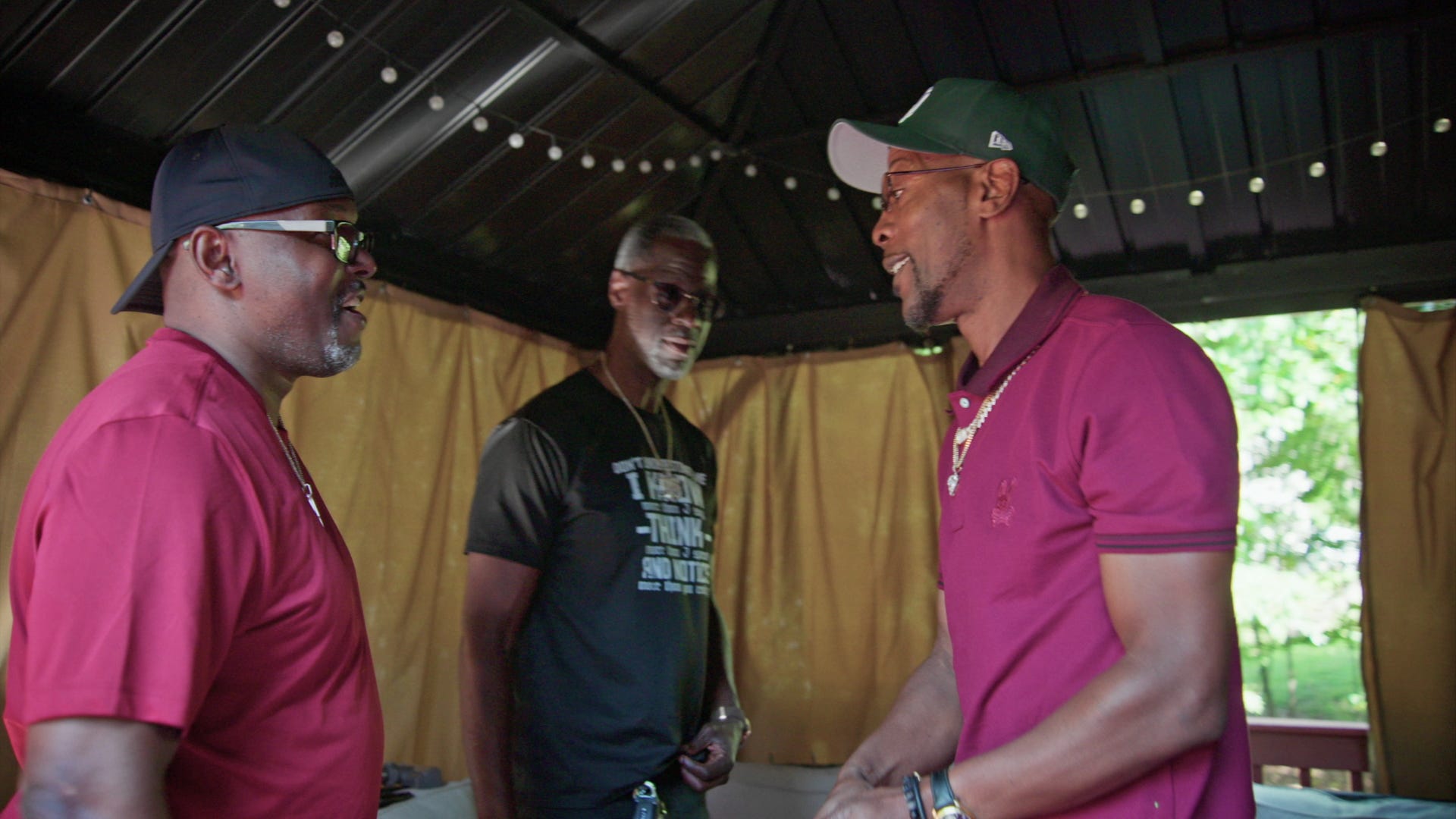
"I'm in the mind frame now after being incarcerated for so long, I'm not allowing anybody to dictate my life, or what I should and shouldn't be doing anymore, pertaining to my happiness," Stewart says.
As the holidays roll around, Stewart invited Watkins over for Thanksgiving in South Carolina (Chestnut has a family vacation planned for Jamaica to escape the cold). For Watkins, who skipped out on Thanksgiving meals while incarcerated, seeing the smiles on the faces of family and friends on the festive day made the wait worthwhile.
Stewart's mother plans to prepare two turkeys, whereas his wife's has two hams on her to-do list. He expects there will be enough food to feed 50 people.
"For me, it's a family thing," Stewart says. "If I can spend every Thanksgiving with my brothers, it would be a blessing to me, but just the mere fact that they're free, they're happy, they're living, they're enjoying life. That's a greater blessing to me too."
This article originally appeared on USA TODAY: Trio convicted of crime they didn't commit get second chance after 36 years in prison
Source: Entertainment
